







What is IP67?
IP67 is an ingress protection rating used to identify how well a device is protected against dust and water. For outdoor video security, this rating helps teams select cameras that can keep operating in demanding environments.
For security systems, an IP67-rated camera is commonly used in facilities that may experience dust, rain, hose-down cleaning, outdoor exposure, or changing weather conditions.
CS-I4HS L-2.8mm
- Bank video security with remote access
- Open platform enables integrations to create
- Find bank security cameras that fit your unique
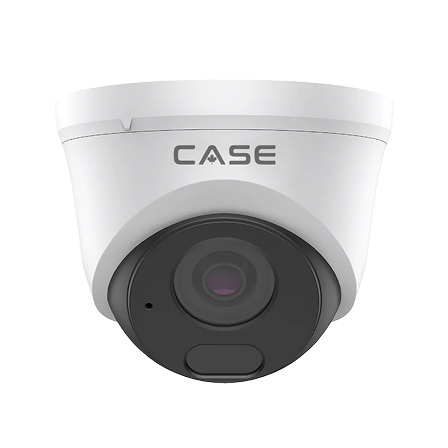
What’s the IP67 rated?
The rating is made of two digits. The first digit describes solid particle protection, while the second digit describes liquid ingress protection. The higher the rating, the stronger the protection.
Dust rating: number one meaning
| Rating | Meaning |
|---|---|
| 0 | No protection against solid objects. |
| 1 | Protection against large solid objects. |
| 4 | Protection against most wires and small objects. |
| 5 | Dust protected, with limited ingress. |
| 6 | Dust tight protection. |
Liquid resistance
| Rating | Meaning |
|---|---|
| 0 | No protection. |
| 4 | Protected against splashing water. |
| 5 | Protected against water jets. |
| 6 | Protected against powerful water jets. |
| 7 | Protected against temporary immersion. |
| 8 | Protected against continuous immersion. |
The key features and benefits of IP67 rated cameras
IP67 cameras are designed for reliable outdoor performance. They can help reduce maintenance concerns, extend equipment life, and support consistent video coverage in harsh conditions.
Operating temperature
Outdoor environments can expose cameras to wide temperature changes. Select devices designed for your local climate and installation environment.
High-resolution imaging
Image quality matters for identification, situational awareness, and incident review. Choose resolution, lens, and sensor options based on the area you need to cover.
Physical damage resistance
Many outdoor installations require rugged housings and vandal-resistant designs. Consider IK-rated hardware for exposed or high-traffic areas.
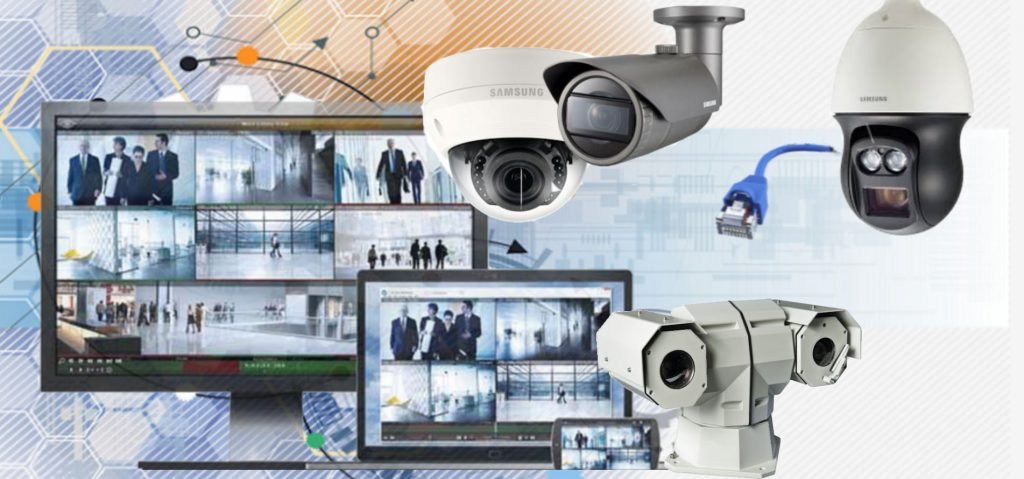
Industry use cases for IP67 security cameras
Manufacturing
Monitor loading areas, production facilities, restricted zones, and perimeter locations where dust and moisture may be present.
Traffic and transportation
Use rugged outdoor cameras for roadways, parking lots, bridges, transit hubs, and outdoor terminals.
Utilities and critical infrastructure
Protect substations, solar farms, oil and gas facilities, and remote equipment yards with dependable surveillance coverage.
Get your free guide to ruggedized video security
Download a practical guide for planning outdoor camera deployments.
Download guide
Could your facility benefit from IP67 cameras?
IP67 cameras can be a strong fit if your system needs to operate outdoors, near dust, in wet conditions, or in facilities where equipment is exposed to changing environmental conditions.
- Exterior building coverage
- Parking lots and perimeter monitoring
- Industrial and utility locations
- Outdoor equipment yards